Project
Huruf La’b: Teaching the Arabic Script by Building It
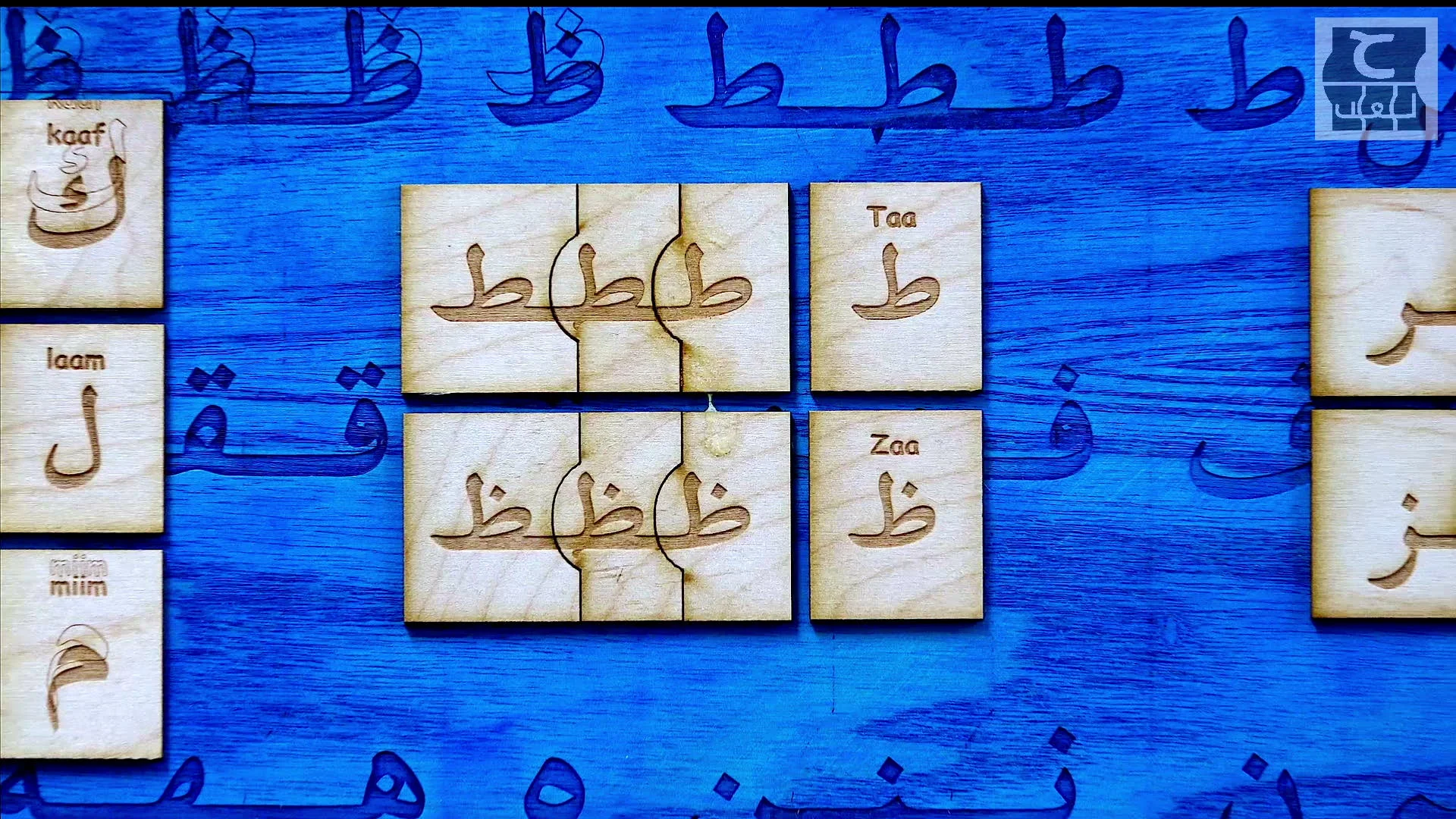
Huruf La'b teaches the Arabic script as a system of construction rather than memorization — learners assemble letter forms by hand instead of drilling them from a page. It began with a whiteboard that would not explain how letters connect, and a laser cutter that could.
 View detail ↗
 My role, areas & skills
The objective
Help beginning Arabic learners understand how letter forms connect by making the script something they can handle and assemble.
What I did
- Developed a classroom lesson and tactile learning concept, then worked with co-founder and designer Bella Templeton to refine the prototype.
- Connected instructional design with educator outreach, early feedback, product demonstrations, and a venture pitch.
Deliverables
- Tactile Arabic letter puzzles and classroom demonstrations.
- Product photographs, teaching clips, and educator outreach.
Result
The team received a $4,000 award in NC State’s 2026 VenturePack Challenge. The product remains in development.
In motion
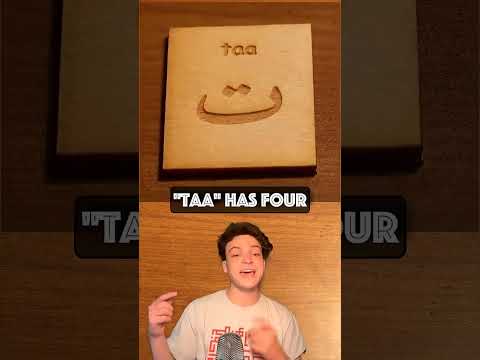
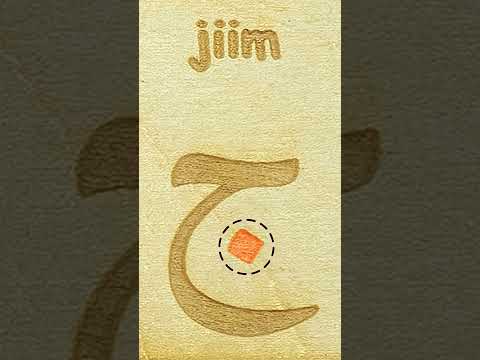
Watch
It started at the alphabet
I took Arabic 101 to satisfy a language requirement. It changed the direction of everything I have done since — but I very nearly did not get through it. I had a bad case of alphabet anxiety and came close to dropping the course in the first weeks, at exactly the threshold where the script still looks like decoration rather than a system.
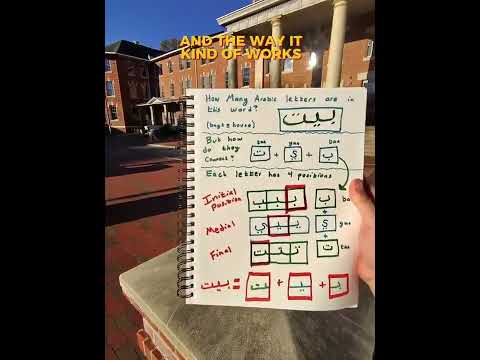
Years later I was on the other side of the table, teaching the same material. Explaining how Arabic letters connect — how a form changes depending on where it sits in a word — kept failing on a whiteboard. The letters are a system of construction, and I was drawing them as pictures.
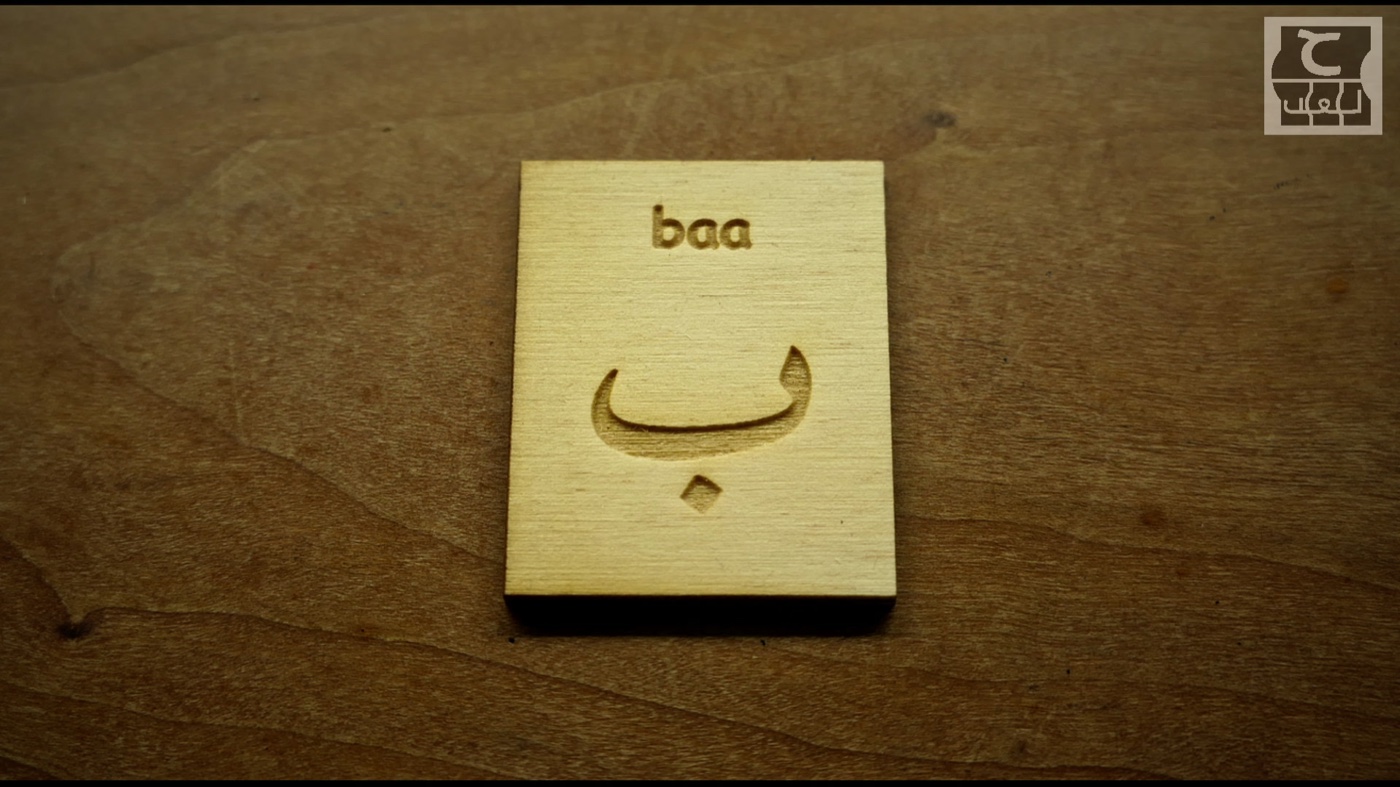
So I went to the NC State Libraries makerspace and cut the first rough prototype. The idea was simple enough to state and hard to do on paper: make the script visible and learnable through construction. Let a learner hold a letter form, take it apart, put it back together, and find the rule themselves instead of being told it.
 View detail ↗
 The problem in the room
Beginning Arabic learners are asked to internalize a great deal at once: a new script, positional letter forms, sound distinctions, and the logic of roots and patterns. Much of that instruction remains abstract. Students are expected to "get it" by repeated exposure even when the system itself still feels invisible.
There is a teacher-side problem too. Many Arabic manipulatives are difficult to fit into classroom routines, so they end up admired in theory and ignored in practice.
The method
Huruf La'b starts from a different premise: if the structure is hard to see, it should become something a learner can handle, rearrange, and test physically.
The first design move was diagnostic — identify which parts of early Arabic instruction stay stubbornly opaque. That meant focusing not only on the alphabet, but on the transition from isolated recognition to compositional understanding: the point where a learner stops identifying letters one at a time and starts seeing how forms combine.
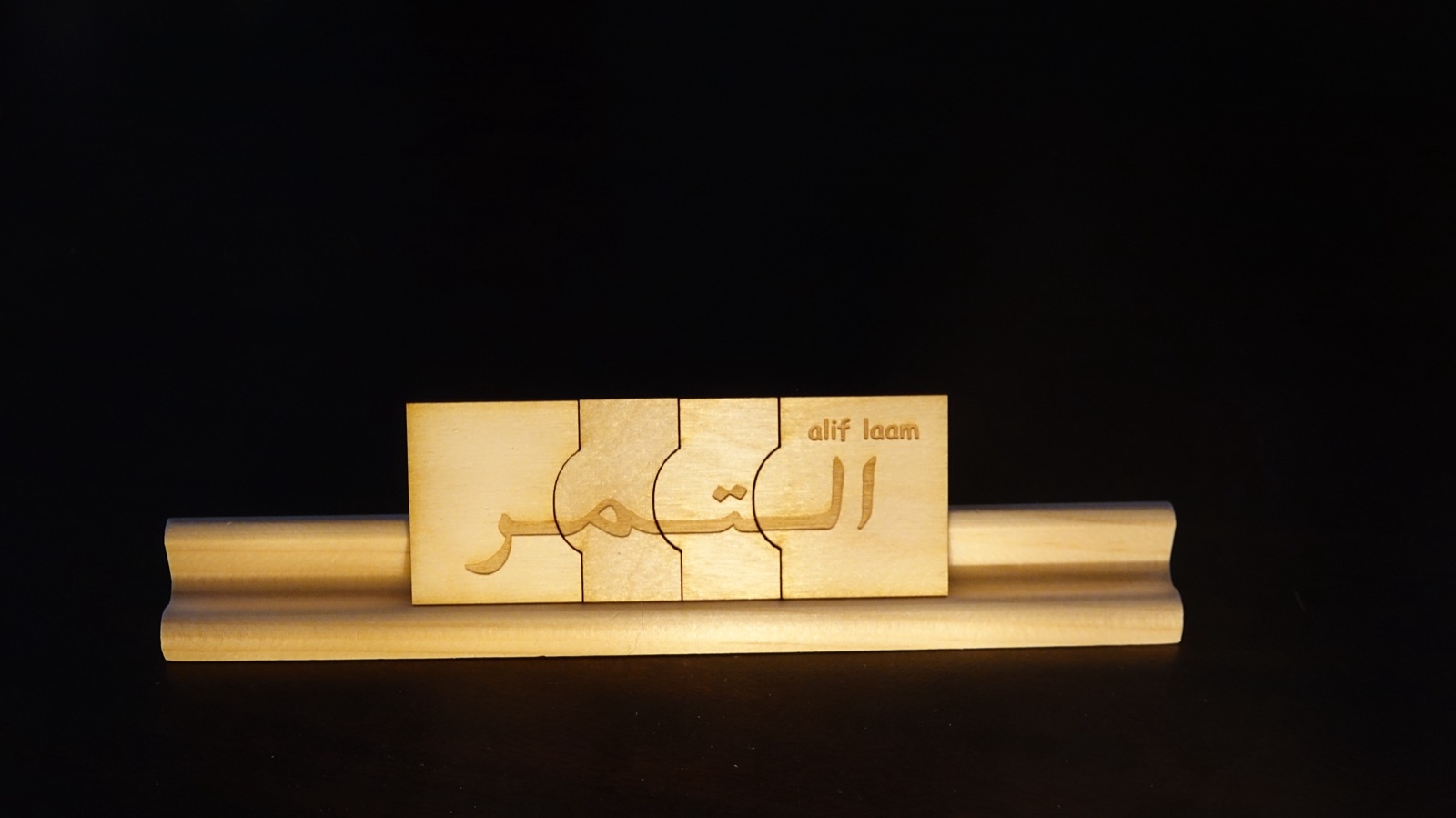
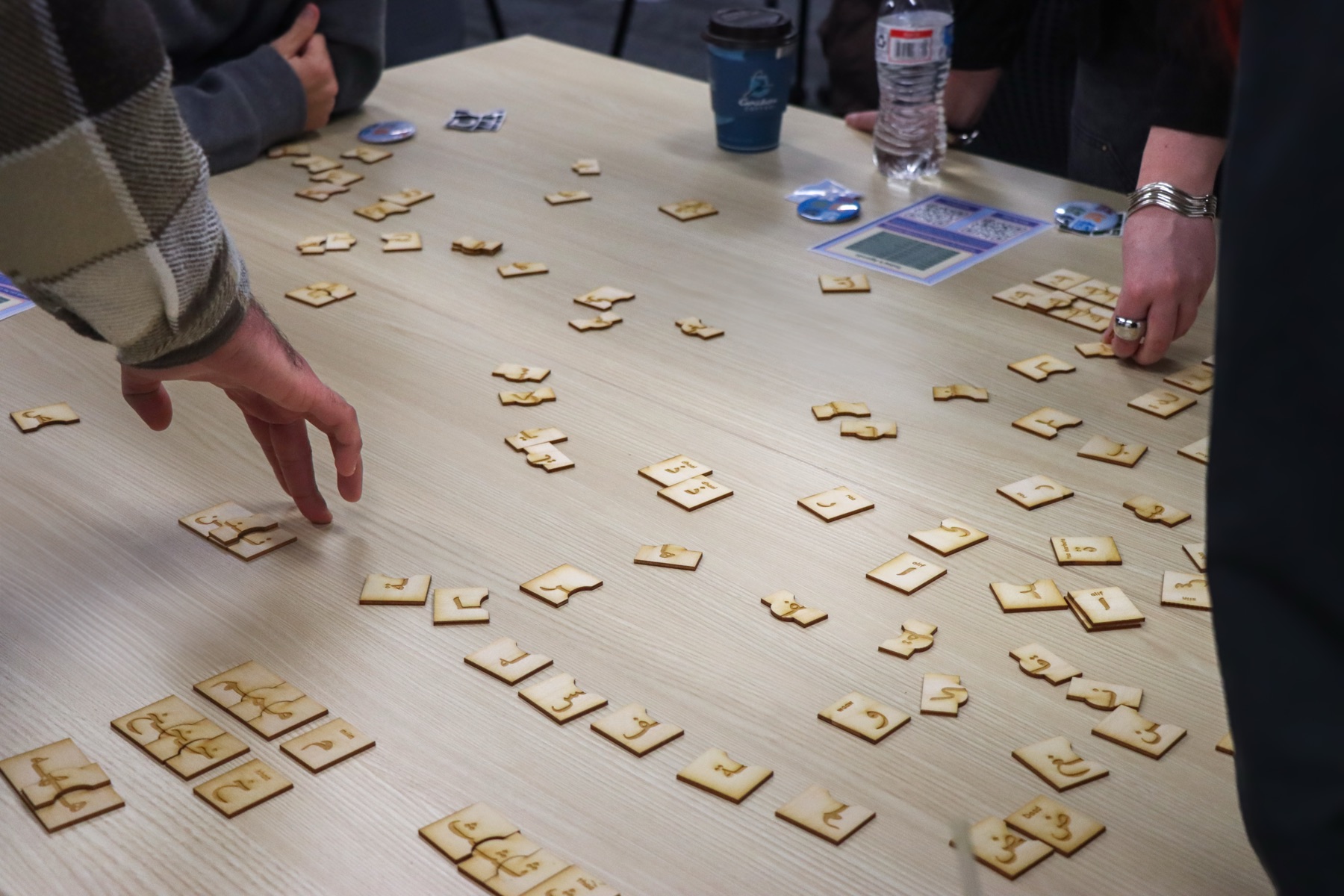
From there the system was built as tactile and modular. Rather than presenting letters as inert symbols on a page, the kit makes them manipulable, so learners can externalize the relationships between forms, practice recombination, and build an embodied sense of how written Arabic behaves.
The constraint throughout was that it must not become a novelty. Each interaction has to help a learner see structure, not just enjoy the materials.
 View detail ↗
  View detail ↗
 What teachers asked for
Customer discovery sharpened the design. Teacher outreach produced an early email list of more than 100 interested people, including at least two dozen Arabic teachers across the United States, the United Kingdom, and the Arab world.
Those conversations pushed the project beyond the puzzle itself. Teachers repeatedly asked for scaffolding, short repeatable routines, clear instructions, and a fuller ecosystem — workbooks, video guides, and a phonics layer — rather than a loose manipulative set. That feedback is what moved the work from an object toward a teaching system.
Recognition
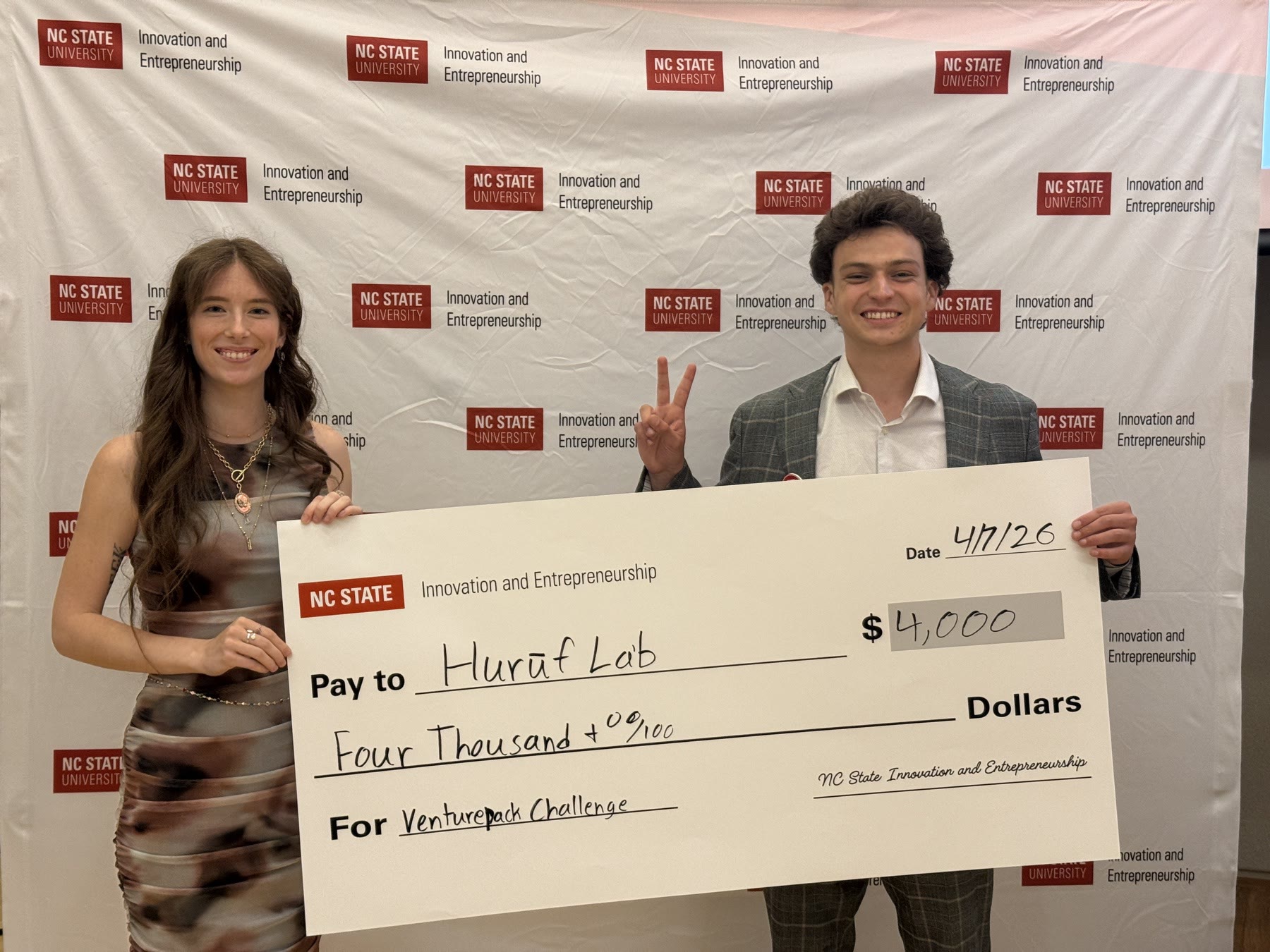
In April 2026 the project won a $4,000 prize in NC State's VenturePack Challenge, the university's campus-wide venture competition, and was covered by the NC State College of Humanities and Social Sciences.
 View detail ↗
 Where it stands
The prototype was refined with co-founder and designer Bella Templeton and carried through educator outreach, classroom demonstrations, and a venture pitch. It remains in development.
The through-line is a habit that runs across the rest of my work: when understanding stalls, redesign the conditions of understanding. I built this for the student I was in the first month of Arabic 101 — the one who could not yet see that the script was a system, and almost quit before anyone showed him.