Project
Fulbright Morocco / International Research & Teaching
Field-based research, language study, teaching, and public-facing academic work carried out in Morocco during 2023-2024.
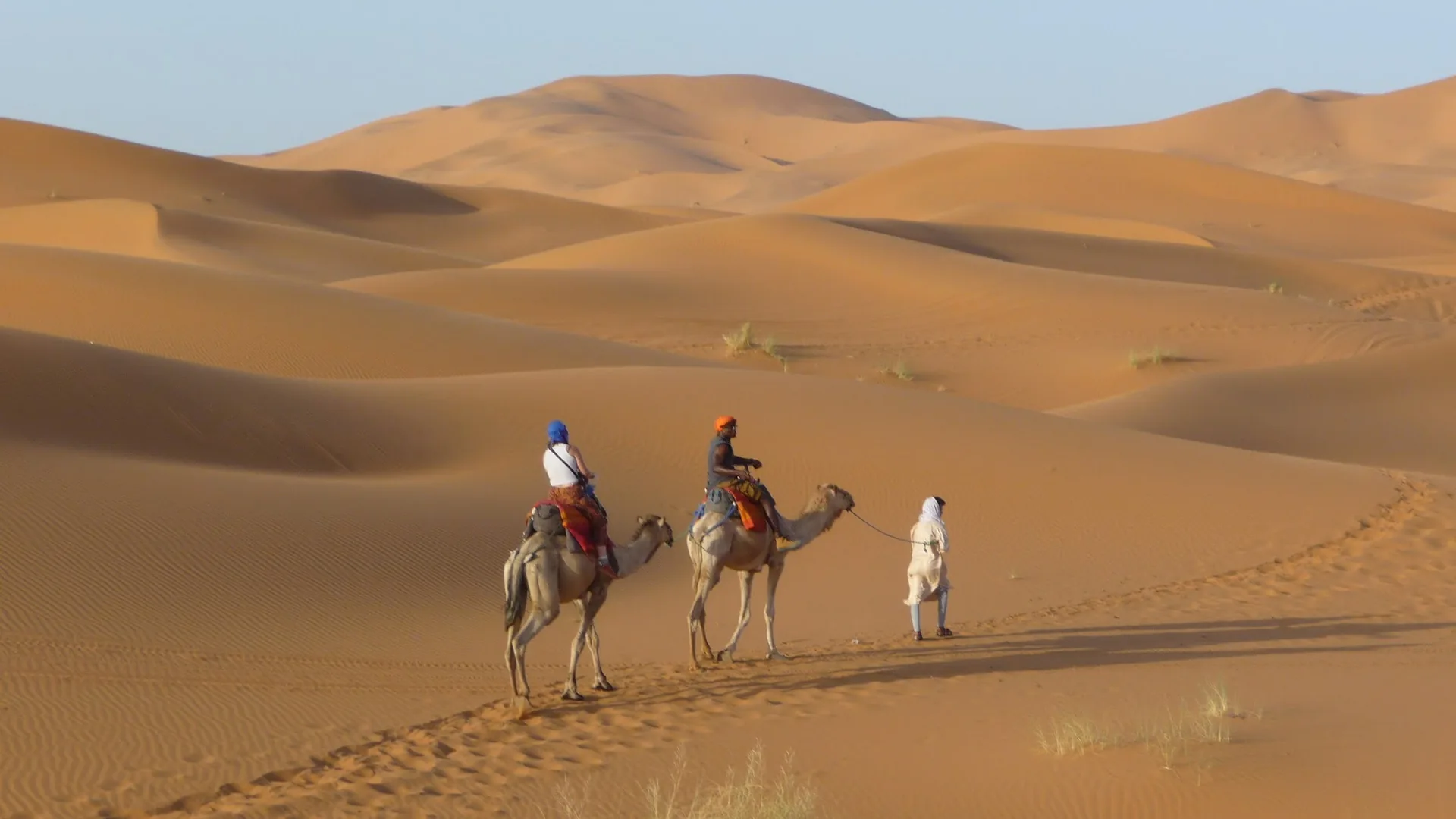 View detail ↗
 My role, areas & skills
The objective
Investigate Moroccan history while developing language skills and working across research and teaching settings.
What I did
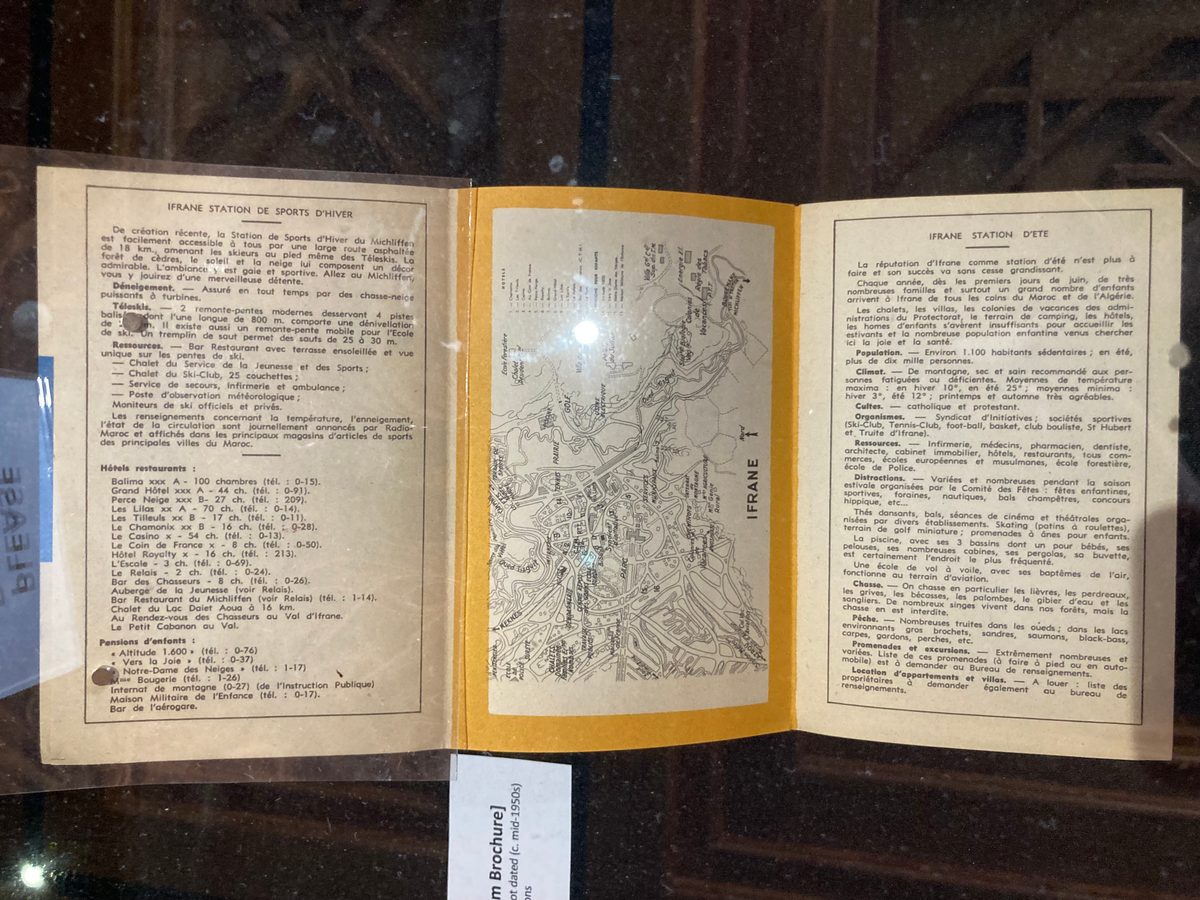
- Conducted archival research at the Mohammed VI Library in Ifrane.
- Combined Arabic and Darija study with history teaching and outward-facing research communication.
Deliverables
- Fieldwork dispatches, photography, and historical presentations.
- Teaching work and research materials grounded in Moroccan archives and places.
Result
Completed the 2023–24 Fulbright year with a body of fieldwork, teaching, and public communication that informs later North Africa projects.
In motion
Watch

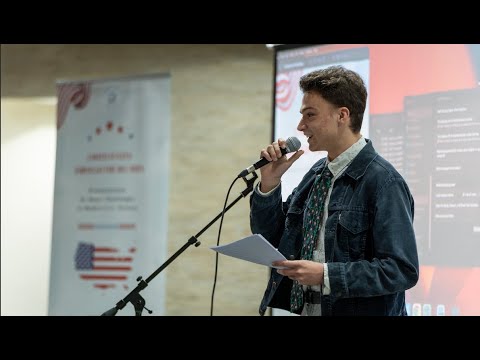

Overview
This project frame treats Morocco as a site of language learning, teaching, intercultural work, and research practice.
It matters because it sharpened Reese's ability to work across linguistic, disciplinary, and institutional boundaries during 2023-2024.
What to notice
The Fulbright year combined Arabic study, historical research, classroom teaching, and outward-facing academic communication.
Modern Standard Arabic, Moroccan Darija, French, and Moroccan institutional settings all shaped the work.
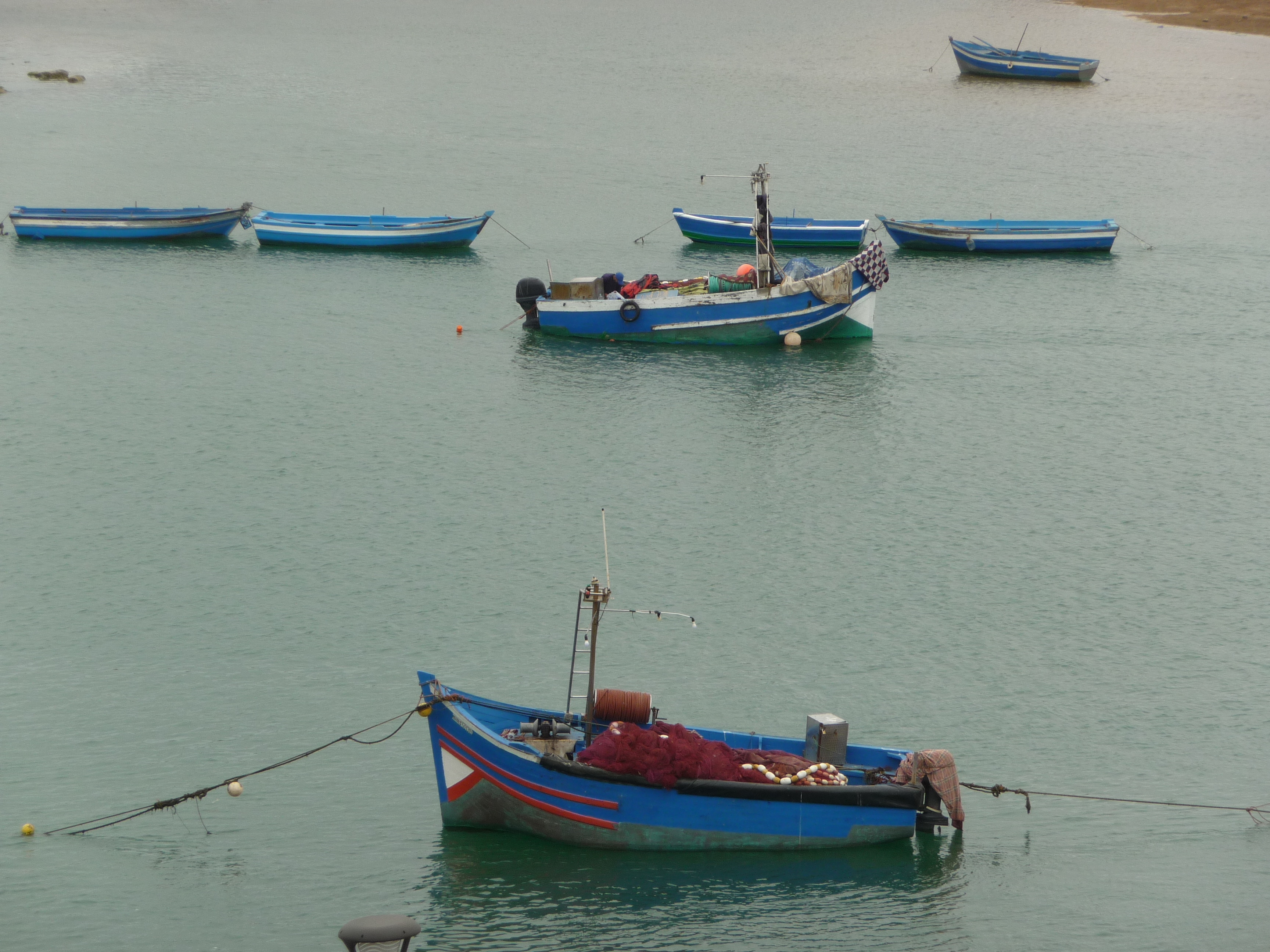 View detail ↗
 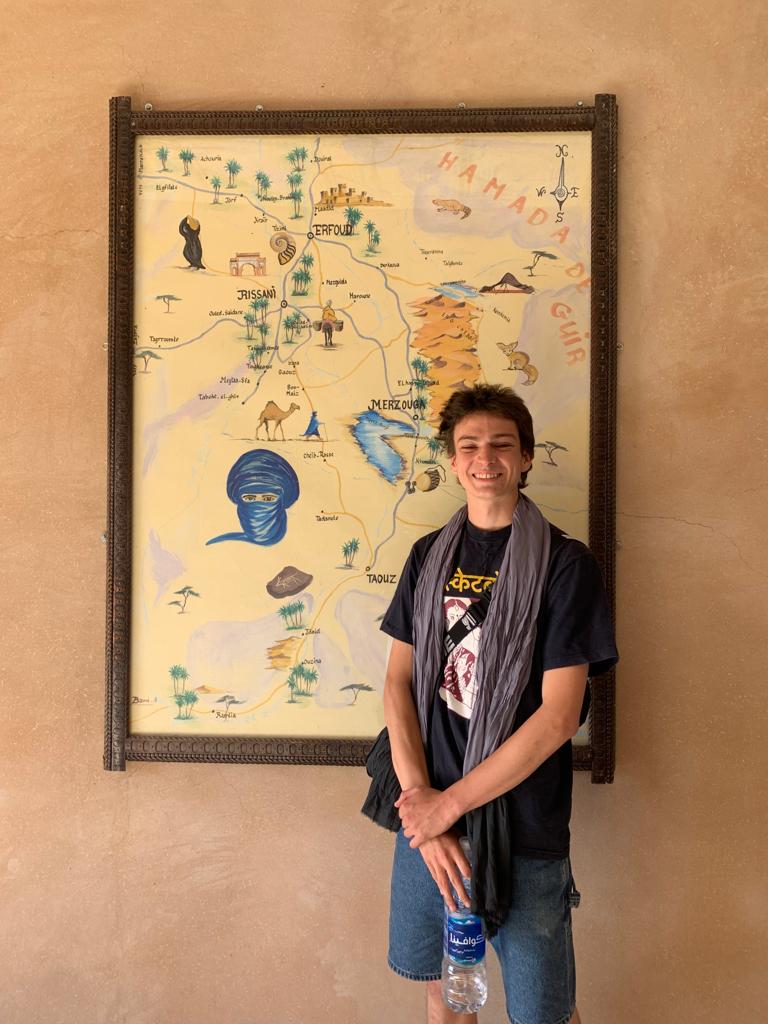 View detail ↗
  View detail ↗
  View detail ↗
  View detail ↗
 Why it matters
The Morocco year strengthened Reese's cross-cultural judgment, sharpened his focus on North Africa, and reinforced a public-facing approach to scholarship that takes explanation seriously.